
New buyers often notice that the price of a one ounce gold coin is higher than the gold price quoted on the news. That gap is the premium, and it is not a markup being hidden from you. It is the cost of turning raw metal into a finished, verified, deliverable product.
Understanding what sits inside the premium makes it much easier to compare dealers and to work out which products suit you.
What spot price actually is
The spot price is the global wholesale reference for immediate settlement of unfabricated metal, traded in troy ounces. It is a benchmark, not a retail price. Nobody sells you a finished one ounce coin at spot, in the same way nobody sells you a loaf of bread at the wheat price.
Spot moves continuously while global markets are open, which is why dealer pricing updates through the day.
What the premium covers
Four things, broadly.
Fabrication. Refining metal to bullion purity, rolling or casting it, striking a design, and packaging it. A struck sovereign coin costs considerably more to produce than a poured cast bar.
Distribution. Insured freight, import costs, and handling. Bullion is dense, valuable and needs to be moved securely, which is not cheap.
Verification and inventory. Holding stock ties up capital in a volatile asset, and the dealer carries that exposure between purchase and sale.
The dealer's margin. The actual profit on the transaction, which for competitive bullion dealers is usually a modest slice of the total premium rather than the bulk of it.
Why silver premiums look so high
This surprises people. A silver coin can carry a premium of a meaningful percentage over spot while a gold coin of the same design carries far less in percentage terms.
The reason is arithmetic rather than anything sinister. The cost to strike, package and ship a one ounce coin is broadly similar whether the coin is gold or silver. But silver is worth a small fraction of gold per ounce, so that same fixed cost represents a much larger share of the final price.
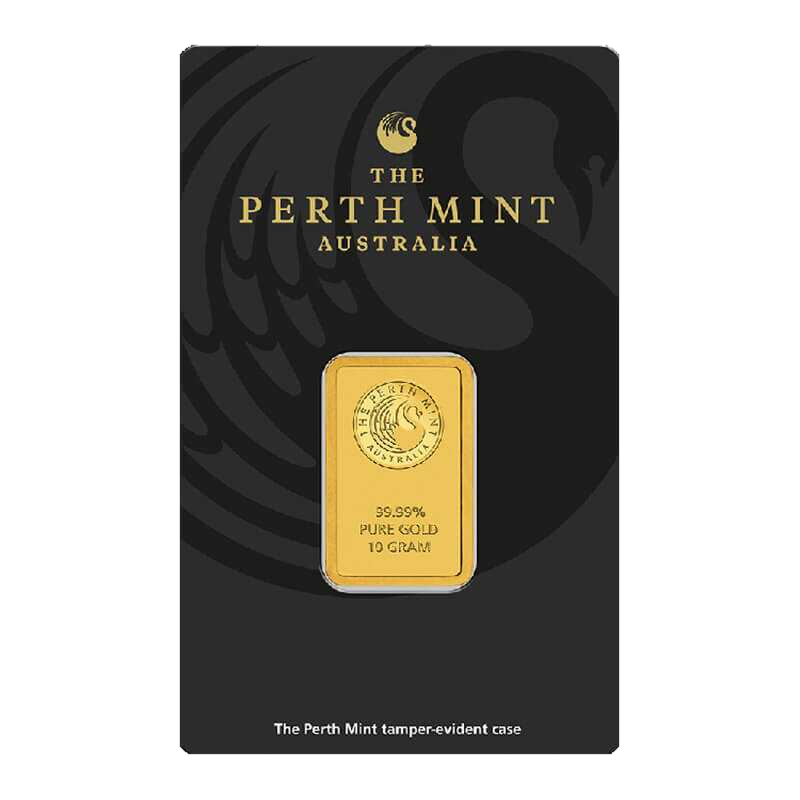
The same effect explains why small units cost more per ounce than large ones. A one gram gold bar carries the same handling and packaging burden as a much heavier bar, spread across far less metal.
The spread, and why it matters more than the premium
Most buyers focus on the premium and ignore the spread, which is arguably the more important number.
The spread is the gap between what a dealer sells a product for and what they will pay to buy the same product back. It is your true round trip cost.
A low premium from a dealer with a wide spread or an unclear buy back position can cost you more overall than a slightly higher premium from a dealer with a tight, transparent spread. Widely recognised products generally carry tighter spreads because they are easy for any dealer to resell.
How to compare fairly
A few habits make comparison straightforward.
Compare total delivered price, not premium percentage. Shipping, insurance and payment surcharges all belong in the calculation. A headline premium means little if freight is added at checkout.
Compare like for like. A privately minted round and a sovereign coin are different products. Comparing their premiums directly tells you nothing useful.
Ask about buy back before you buy. A dealer who will tell you plainly how they price a buy back is giving you the information you need to assess the real cost.
Watch for premiums that seem too good. Unusually low pricing on a well known product is worth a question or two about sourcing and authenticity.
Premiums move
Premiums are not fixed. They respond to physical demand independently of the metal price. When spot falls sharply and buyers rush in, premiums on popular products can widen even as the underlying metal gets cheaper. When selling picks up and dealer inventories fill, premiums compress.
This is why the price you pay can move differently from the spot chart you are watching.
Frequently asked questions
Why is bullion more expensive than the spot price?
Because spot is a wholesale benchmark for unfabricated metal. The premium covers refining, minting, packaging, insured freight and the dealer's margin.
Why are silver premiums higher than gold premiums?
The fixed costs of producing and shipping a coin are similar for both metals, but silver is worth far less per ounce, so those costs are a much larger percentage of the final price.
Do larger bars have lower premiums?
Generally yes. Fixed production and handling costs are spread over more metal, lowering the cost per ounce.
What is a dealer spread?
The difference between the price a dealer sells at and the price they buy back at. It represents your round trip cost and is often more important than the premium alone.
See current pricing
Our pricing updates against spot through the trading day, so you can see exactly what you are paying before checkout. Browse the range or visit us at 124 Peterborough Street, Christchurch.