
Counterfeit bullion exists, and it has improved. The good news is that gold and silver have unusual physical properties that are difficult to imitate simultaneously, which means a handful of simple checks will catch the overwhelming majority of fakes.
The single most effective safeguard has nothing to do with testing, though, so we will start there.
Buy from a dealer who stands behind the metal
Almost every counterfeit that reaches a private buyer arrives through an informal channel. Online marketplaces, auction sites, social media listings and private sales carry far more risk than an established dealer with a physical presence and a buy back policy.
A dealer who will buy the item back from you has a direct commercial reason to be certain it is genuine. That alignment of interest is worth more than any test you can run at your kitchen table.
Weight and dimensions
This is the most useful check available to a private buyer, and it catches most fakes.
Gold is extraordinarily dense. So is silver, though less so. A counterfeit made from a cheaper base metal cannot match both the correct weight and the correct dimensions at the same time. If a fake weighs correctly, it will be too thick or too wide. If the dimensions are right, it will be underweight.
Mints publish exact specifications for every bullion product they issue. A set of digital scales accurate to a hundredth of a gram and a pair of digital calipers will let you check any coin against its published diameter, thickness and weight. Both together cost less than a fraction of an ounce of silver.
The magnet test
Neither gold nor silver is magnetic. If a coin or bar sticks to a magnet, it contains ferrous metal and is not what it claims to be.
The more revealing version uses a strong neodymium magnet. Slide the magnet slowly down the face of a tilted silver bar. Genuine silver is highly conductive, and the moving magnet induces a current that creates an opposing field, so the magnet visibly slows as it slides. This eddy current effect is difficult to fake and is a good indicator for silver in particular.
The ping test
Struck precious metal has a distinctive acoustic signature. Balanced on a fingertip and tapped gently with another coin, silver produces a long, high, sustained ring. Base metals produce a short dull thud.
This works well as a quick screen and there are phone applications that analyse the frequency. Treat it as an indicator rather than proof, and never use anything hard enough to mark the surface.
What the simple tests miss
One counterfeit type defeats weight and dimension checks: tungsten cored gold. Tungsten has a density very close to gold, so a tungsten slug in a gold shell can pass a scale and a caliper.
This is a problem almost exclusively for larger gold bars, because the shell needs enough volume to hide a core. It is rarely worth attempting on small coins. Two defences work well. Buy larger gold in sealed assay packaging from recognised refiners, and for significant purchases use a dealer with electronic verification.
Ultrasonic thickness gauges detect density discontinuities inside a bar. Electromagnetic conductivity testers read the metal's signature through packaging without damaging it. X-ray fluorescence reads surface composition precisely, though only at the surface. Established dealers generally have access to at least one of these.
Visual checks
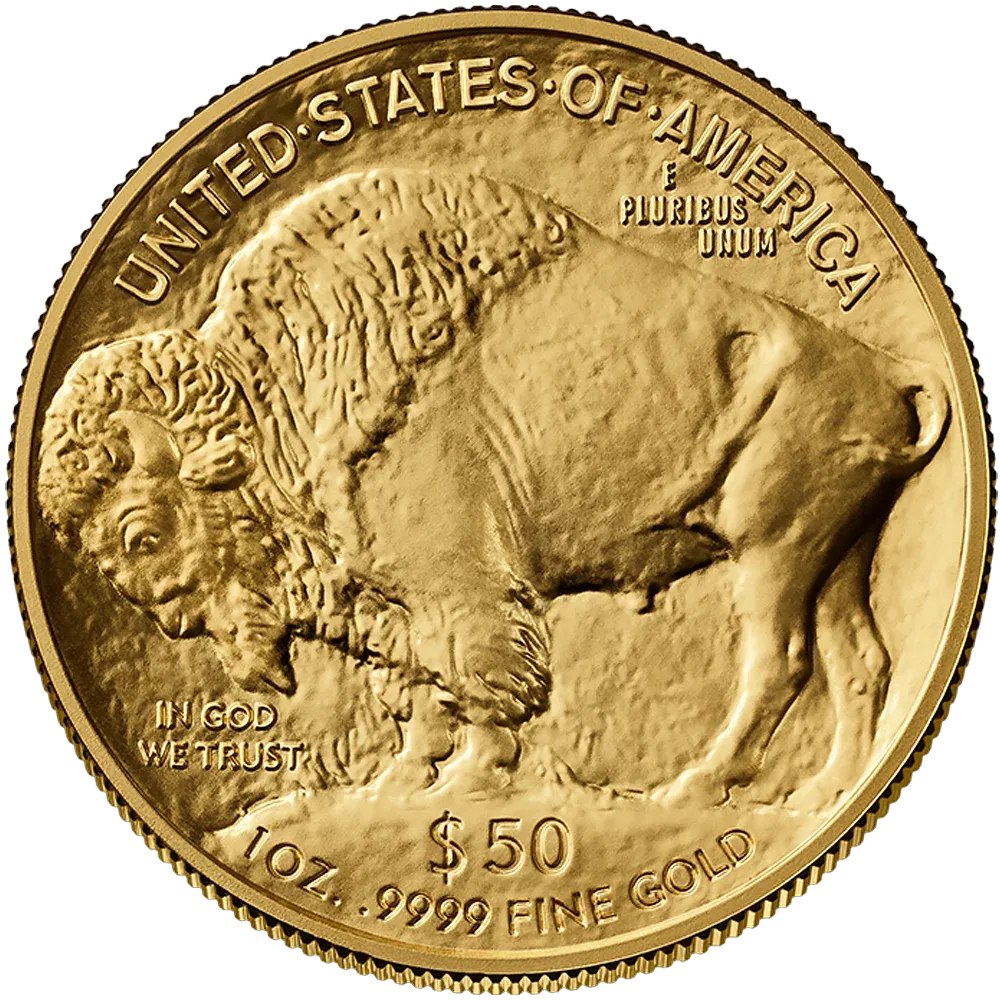
Counterfeits often fail on detail. Sovereign mints produce extremely consistent strikes, so look for soft or mushy lettering, incorrect fonts, weak detail in fine engraving, misaligned designs, wrong edge reeding, or a colour that reads slightly orange or grey rather than the correct tone.
Comparing against a known genuine example of the same product is the fastest way to spot a difference.
Frequently asked questions
Is gold magnetic?
No. Neither gold nor silver is attracted to a magnet. Attraction to a magnet indicates ferrous content and means the item is not solid gold or silver.
What is the easiest way to check bullion at home?
Weigh it and measure it against the mint's published specifications. A counterfeit cannot usually match correct weight and correct dimensions at the same time.
Can fake gold pass a magnet test?
Yes. Tungsten is not magnetic and has a density close to gold, so a tungsten cored fake can pass both magnet and weight checks. Electronic verification is the reliable defence, and this risk applies mainly to larger bars.
Should I clean a coin to inspect it?
No. Cleaning damages the surface and reduces value, and it will not help you identify a counterfeit.
Bring it in
If you hold bullion you are unsure about, bring it to the showroom at 124 Peterborough Street, Christchurch, and we will take a look. You can also browse our range online.